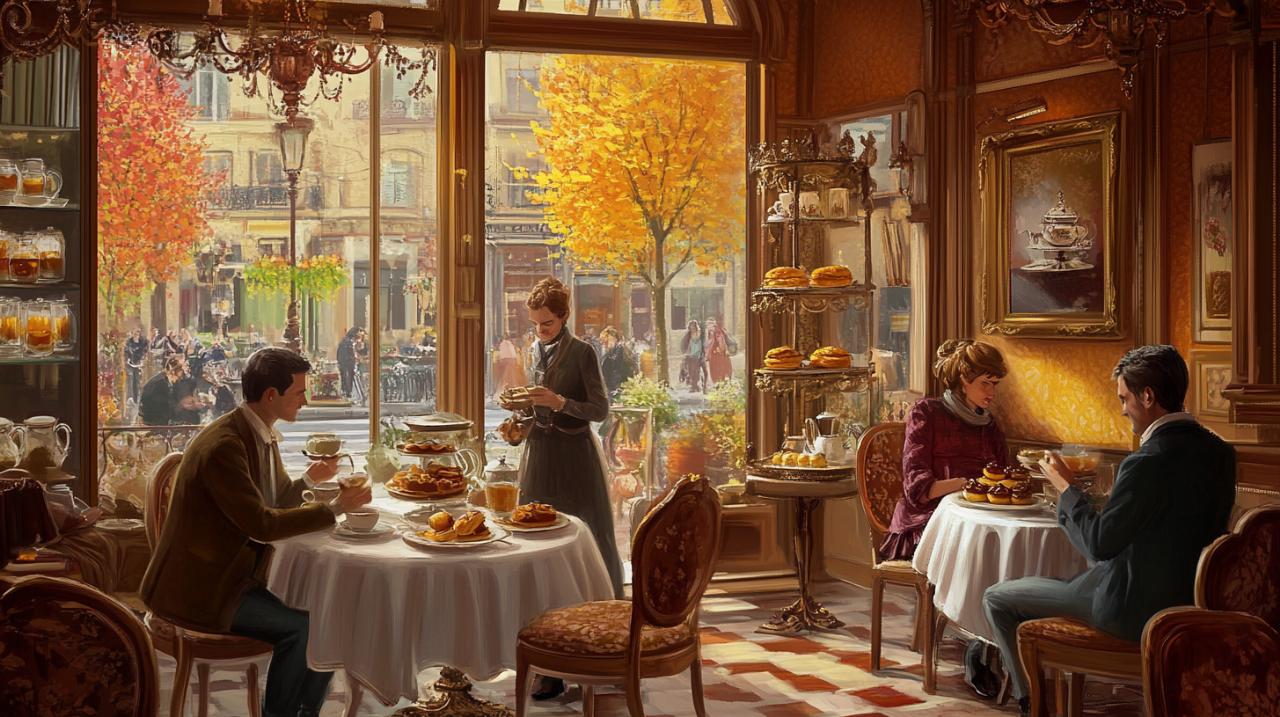
The French relationship with tea has evolved considerably over the centuries, transforming from an aristocratic novelty during the reign of Louis XIII into a thriving modern market that now exceeds EUR 500 million in value annually. Whilst France remains a nation renowned for its coffee culture, one in three French people regularly reach for a teacup, with consumption patterns increasingly favouring premium, high-end varieties that emphasise quality, health benefits, and unique sensory experiences. This shift is not merely a passing trend but a fundamental change in how the French approach tea, driven by evolving consumer priorities and the growing influence of wellness culture. As tea finds its place within the broader spa and wellness industry, the French market offers a fascinating case study in how tradition and innovation can coexist, reshaping both consumer habits and commercial offerings.
Understanding the French Tea Consumer: Demographics and Purchasing Patterns
The profile of the French tea drinker is both diverse and nuanced, reflecting a market that has matured considerably in recent years. Women constitute a significant majority of tea consumers, representing approximately 57 percent of the market, with retired women who possess substantial purchasing power forming a particularly influential demographic. This gender and age distribution suggests that tea consumption in France is closely tied to lifestyle considerations, leisure time, and an appreciation for quality over quantity. Indeed, tea is primarily consumed by higher-income individuals who are willing to invest in superior products that promise both flavour and functional benefits. The pandemic and subsequent lockdowns played a pivotal role in boosting at-home tea consumption, as individuals sought comfort and routine in familiar rituals. This period of increased domestic consumption has left a lasting impact, cementing tea as a staple in many French households and encouraging a more thoughtful approach to selection and preparation.
Where the French Purchase Their Tea: From Specialist Boutiques to Supermarket Shelves
The channels through which the French acquire their tea are as varied as the teas themselves, ranging from specialist boutiques to supermarket aisles and increasingly to online platforms. Major international brands such as Lipton, Twinings, and Tetley dominate the sector, yet French companies account for half of the tea consumed domestically, demonstrating a strong appetite for locally curated selections. Prominent French brands including Compagnie Coloniale, Mariage Frères, Betjman & Barton, and Palais des Thés are experiencing annual growth rates of around 10 percent, a testament to their ability to resonate with consumers seeking authenticity and expertise. Specialist tea shops offer an immersive experience, where knowledgeable staff can guide customers through an extensive range of single-origin teas, artisanal blends, and limited-edition offerings. Supermarkets, meanwhile, provide convenience and accessibility, stocking a broad spectrum of products that cater to everyday consumption as well as premium options. The rise of online retail has further transformed the landscape, with digital platforms enabling consumers to explore niche products, read detailed descriptions, and access subscription services that deliver curated selections directly to their doorsteps. This channel is predicted to grow at an annual rate of 9.8 percent through 2034, reflecting a broader trend towards convenience and personalised shopping experiences.
Generational divides: how baby boomers and younger demographics approach tea buying
Generational differences play a crucial role in shaping tea purchasing behaviour in France, with baby boomers and younger consumers exhibiting distinct preferences and priorities. Older demographics, particularly retired women, tend to favour traditional tea varieties and established brands that offer reassurance and consistency. Their purchasing power and willingness to invest in premium products make them a cornerstone of the high-end tea market, and they often seek out teas that align with health and wellness goals, such as those promoting relaxation or digestion. Younger consumers, on the other hand, are more adventurous and open to experimentation, driving demand for innovative offerings such as bubble tea and matcha. They are also more influenced by social media and digital marketing, using online platforms to discover new brands, read reviews, and engage with communities of fellow enthusiasts. Around 62 percent of younger, affluent individuals express a strong preference for premium products that are sourced ethically, reflecting a broader concern for sustainability and transparency in supply chains. This generational divide is not merely a matter of age but of values, with younger consumers prioritising experience, authenticity, and social responsibility alongside flavour and quality.
What Drives French Tea Choices: The Interplay of Price, Quality, and Wellness
The factors influencing French tea choices are complex and multifaceted, with price, quality, and wellness considerations all playing pivotal roles in the decision-making process. Whilst affordability remains a consideration for many, there is a growing segment of the market willing to pay a premium for teas that promise superior taste, provenance, and health benefits. This willingness to invest reflects a broader cultural shift towards mindful consumption, where the focus is not merely on acquiring a product but on the experience and value it delivers. Organic tea, for instance, represents 21 percent of the market and continues to grow as consumers become more conscious of the environmental and health implications of their choices. The French tea drinker is increasingly discerning, seeking out teas that offer a narrative, whether through their origin, production methods, or the artisanal expertise involved in their creation.
The quality-price balance: when french consumers opt for premium varieties
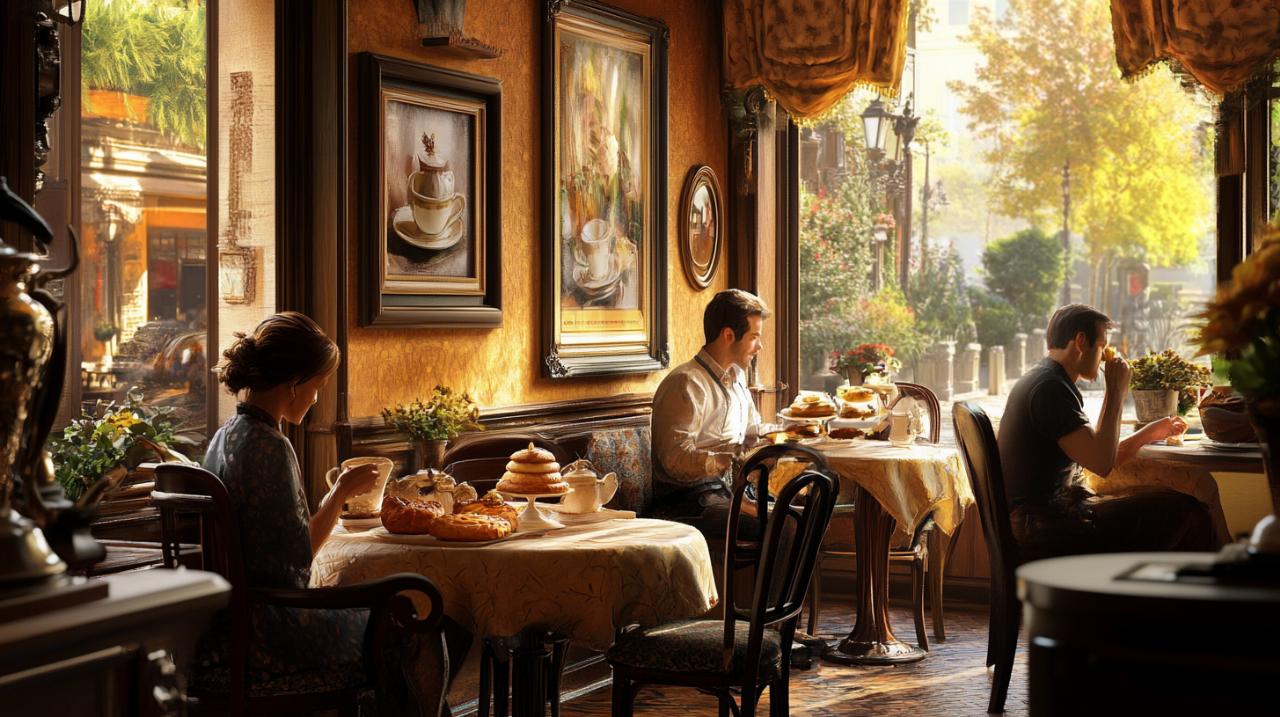
High-priced teas are gaining traction in France, particularly among consumers who view tea as more than a daily beverage but as an indulgence and a ritual. The luxury tea market was worth $4.8 billion in 2025 and is predicted to reach $9.1 billion by 2034, with an annual growth rate of 7.4 percent. This expansion is driven by consumers seeking unique and elevated experiences, whether through rare single-origin teas, expertly crafted blends, or innovative formats that challenge conventional expectations. French consumers are willing to pay a premium when they perceive a clear benefit, whether in terms of taste, authenticity, or the story behind the product. The top five companies in the luxury tea sector, including Twinings, Mariage Frères, TWG Tea, Harney & Sons, and Fortnum & Mason, commanded approximately 28 to 32 percent of the market in 2025, illustrating the dominance of established names that have built reputations on quality and heritage. However, there is also room for smaller, artisanal producers who can offer something distinct, whether through local cultivation, zero pesticide production, or innovative packaging that emphasises sustainability. The French market rewards those who can balance tradition with innovation, offering products that honour the past whilst embracing the future.
Health and Wellness as Primary Motivators in Tea Selection
Health and wellness considerations have emerged as primary motivators in tea selection, with consumers increasingly seeking out teas that promise functional benefits alongside sensory pleasure. Green teas and health-focused varieties have seen sales jump by 30 percent in a single year, driven by a growing awareness of their antioxidant properties, potential to support digestion, and ability to enhance mental clarity. Herbal tea is tipped to be the fastest-growing type of tea, with an annual growth rate of 9.1 percent, reflecting a broader trend towards natural remedies and preventative health measures. Research indicating that stroke and heart attack survivors may reduce mortality risk by drinking green tea has further bolstered its appeal, lending scientific credibility to traditional beliefs about tea's restorative properties. The organic tea segment is also thriving, as consumers become more conscious of pesticide use and the environmental impact of conventional agriculture. Local tea plantations in regions such as Brittany and the Cévennes emphasise zero pesticides and innovative, compostable packaging, appealing to consumers who value sustainability and transparency. The wellness tourism industry, with global revenues forecast to exceed $1.4 trillion by 2027, is increasingly incorporating premium tea experiences into its offerings, recognising that tea rituals can enhance relaxation, mindfulness, and overall guest satisfaction.
The Digital Revolution: How Social Media and E-Commerce are Transforming French Tea Culture
The digital revolution has had a profound impact on French tea culture, reshaping how consumers discover, purchase, and engage with tea. Social media platforms have become powerful tools for education and inspiration, with influencers, bloggers, and brands sharing visually compelling content that highlights the artistry and ritual of tea preparation. Younger consumers, in particular, rely on these channels to explore new products, learn about brewing techniques, and connect with like-minded enthusiasts. E-commerce has democratised access to premium and niche teas, enabling consumers to explore a vast array of options without geographical constraints. Online shops are zooming ahead as the fastest-growing sales channel, with a predicted annual growth of 9.8 percent until 2034. This growth is fuelled by the convenience of home delivery, the ability to compare products and prices, and the availability of detailed information that empowers informed decision-making. Subscription models have proven particularly successful, boasting repeat purchase rates of over 70 percent among engaged customers. These services offer curated selections that introduce subscribers to new teas each month, fostering a sense of discovery and loyalty whilst simplifying the purchasing process.
The Rise of Online Tea Shopping and Digital Influence on Consumer Behaviour
The rise of online tea shopping has fundamentally altered consumer behaviour, making it easier than ever to access a diverse range of products and information. Digital platforms offer not only convenience but also a wealth of resources, from brewing guides and tasting notes to customer reviews and sustainability certifications. This transparency is increasingly important to consumers, particularly younger demographics who prioritise ethical sourcing and environmental responsibility. Around 62 percent of younger, affluent individuals want premium products that are sourced ethically, and they use digital channels to verify these claims before making a purchase. Social media has amplified this trend, with platforms such as Instagram and TikTok serving as visual showcases for tea culture. Influencers and brands alike leverage these channels to create aspirational content that emphasises the aesthetic and experiential dimensions of tea. Whether it is the delicate unfurling of blooming tea in a glass teapot, the precise whisking of matcha to achieve the perfect froth, or the serene ritual of a traditional tea ceremony, these images and videos capture the imagination and inspire consumers to elevate their own tea experiences. Digital influence extends beyond marketing to education, with online courses, webinars, and virtual tastings enabling consumers to deepen their knowledge and appreciation of tea.
The Experiential Element: How Premium Tea Rituals are Enhancing Spa and Wellness Offerings
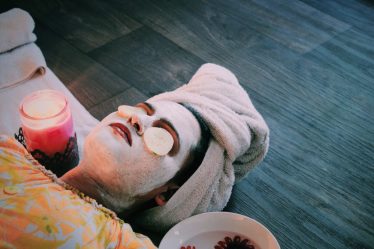
Premium tea rituals are increasingly being integrated into spa and wellness offerings, where they serve as both a standalone experience and a complement to other treatments. The global wellness tourism industry is booming, with revenues forecast to exceed $1.4 trillion by 2027, and tea is playing a central role in this expansion. Spas and wellness retreats are incorporating tea ceremonies, tastings, and bespoke blends into their menus, recognising that tea can enhance relaxation, promote mindfulness, and create memorable experiences for guests. The ritual of tea preparation, whether it involves the precise timing of a Japanese matcha ceremony or the leisurely steeping of a fine oolong, offers a moment of pause and reflection in an increasingly fast-paced world. Water filtration is emphasised as crucial to achieving the best results, with products such as the BRITA Cube earning endorsement for their ability to remove impurities that can detract from flavour. The rise of tea barista skills, taught through initiatives such as the Youth Academy supported by Simonelli and delivered by experts like Esther Hope-Gibbs, reflects a growing professionalisation of tea service. These skills enable hospitality professionals to craft exceptional tea experiences that rival those traditionally associated with coffee. Events such as the World Tea Expo and the AVPA International Contest further elevate the profile of premium tea, celebrating excellence and innovation within the industry. The Matcha Whisking Championship, won by Gosia Lendzioszek in 2021, exemplifies the competitive spirit and dedication that define the modern tea scene. As the French tea market continues to evolve, the integration of premium tea experiences into spa and wellness offerings represents a natural convergence of tradition, innovation, and a shared commitment to quality and well-being.