
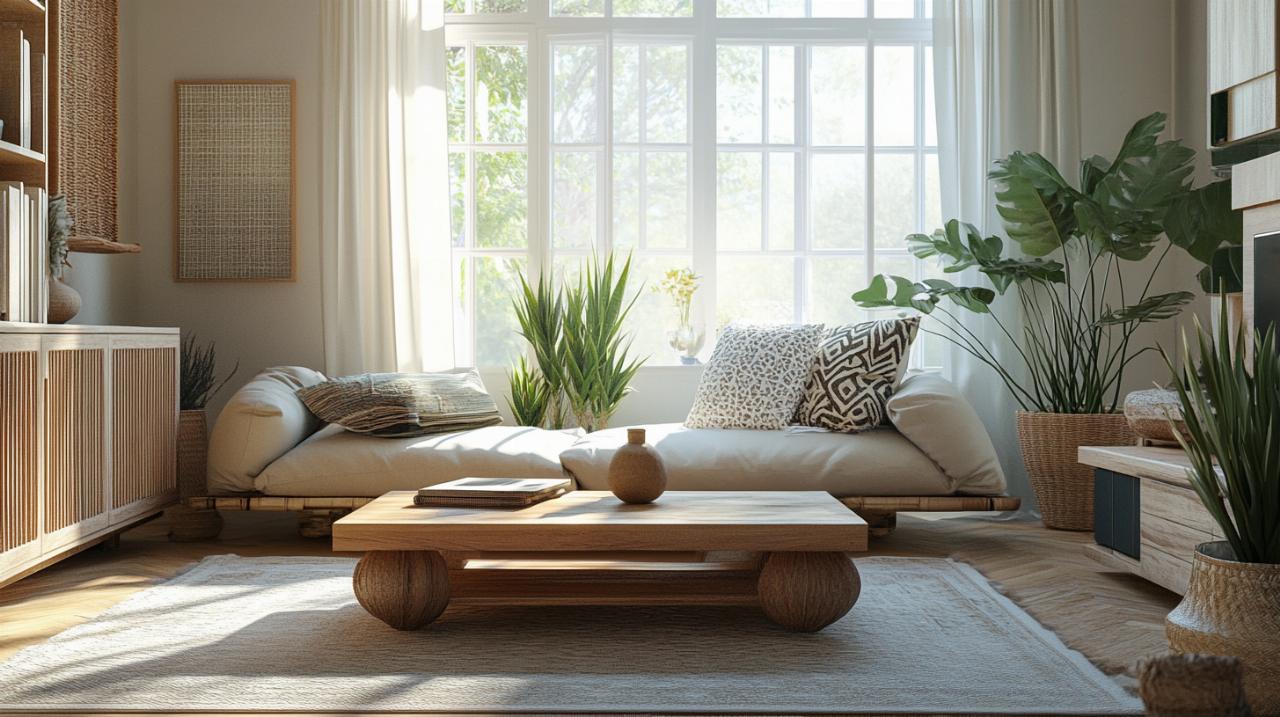
Creating a home that reflects both personal style and environmental responsibility has become increasingly important for many households. As awareness grows about the impact of consumer choices on the planet, more people are seeking ways to furnish their living spaces with pieces that are not only beautiful and functional but also kind to the environment. The journey towards a more sustainable home begins with understanding the materials, production methods, and lifecycle of the furniture we bring into our lives. By making informed decisions, it is possible to create a comfortable and inviting space that aligns with values of sustainability and ethical consumption.
Embracing eco-friendly materials in your home
The foundation of sustainable furniture lies in the materials from which it is crafted. Choosing eco-friendly materials is a significant step towards reducing the environmental impact of home furnishings. Materials such as bamboo, cork, jute, and hemp offer renewable and biodegradable alternatives to conventional options. Bamboo, for instance, is a rapidly renewable resource that grows quickly and requires minimal water, making it an excellent choice for furniture that is both strong and environmentally responsible. Cork, harvested from the bark of cork oak trees without causing harm to the tree itself, provides a lightweight yet resilient option for various applications. Jute and hemp, both fast-growing plants, offer durability and breathability, making them ideal for rugs, mats, and upholstery. Organic fabrics such as organic cotton and linen, often treated with natural dyes to reduce toxic waste, further enhance the sustainability of furniture while improving indoor air quality by minimising exposure to harmful chemicals.
The Benefits of Recycled and Reclaimed Timber
Reclaimed wood stands out as a particularly appealing choice for those looking to reduce their environmental footprint. By using salvaged timber from old buildings, barns, or shipping pallets, reclaimed wood prevents the need for new tree harvesting and gives a second life to materials that might otherwise end up in landfills. This approach not only conserves forests but also adds character and history to furniture pieces, as each plank carries its own unique story and patina. The use of recycled and reclaimed timber also reduces the carbon footprint associated with manufacturing new materials, as the energy required for processing is significantly lower. For those who appreciate rustic charm and authenticity, reclaimed wood offers a way to bring warmth and individuality into the home while supporting sustainable practices. If you are keen to explore more about sustainable living and shopping choices, visit naturamediterraneo.es for expert advice and the latest trends in responsible home design.
Exploring sustainably sourced wood options
When new timber is necessary, opting for sustainably sourced wood ensures that forests are managed responsibly. Certifications such as those from the Forest Stewardship Council provide assurance that the wood comes from forests where biodiversity, productivity, and ecological processes are maintained. Sustainably sourced wood supports reforestation efforts and ensures that harvesting practices do not contribute to deforestation or habitat destruction. Choosing certified wood also often means supporting fair labour practices and communities that depend on forest resources. By prioritising sustainably sourced wood, consumers can enjoy the beauty and durability of natural timber while contributing to the preservation of forests for future generations.
Investing in quality over quantity
One of the most effective ways to reduce waste and promote sustainability is to invest in high-quality furniture that is built to last. The fast furniture culture, characterised by cheaply made pieces designed for short-term use, contributes significantly to waste and environmental degradation. In contrast, well-crafted furniture made from durable materials can withstand years of use, reducing the need for frequent replacements. Quality furniture often features solid wood joinery, robust metal hardware, and timeless designs that remain relevant regardless of changing trends. By choosing pieces that are made to endure, homeowners not only reduce their environmental impact but also save money in the long run, as the cost per year of ownership decreases with furniture that does not need to be replaced frequently.
Why durable furniture reduces long-term waste
Durable furniture plays a crucial role in minimising waste by extending the lifecycle of each piece. When furniture is designed and constructed with longevity in mind, it can be repaired, maintained, and even passed down through generations. This approach contrasts sharply with disposable furniture, which often ends up in landfills after only a few years of use. The environmental cost of producing, transporting, and disposing of furniture is significant, and by choosing durable options, consumers can help to reduce the demand for new production and the associated pollution. Additionally, durable furniture made with non-toxic materials and low-VOC finishes contributes to healthier indoor air quality, creating a safer environment for families. The commitment to quality over quantity is a key principle in sustainable living, reflecting a shift towards mindful consumption and appreciation for craftsmanship.
Avoiding the Pitfalls of Fast Furniture Culture
The allure of fast furniture lies in its affordability and immediate availability, but the hidden costs to the environment and society are considerable. Fast furniture is often produced using unsustainable materials, manufactured in facilities with poor labour conditions, and designed to be replaced rather than repaired. This cycle of consumption not only depletes natural resources but also perpetuates a culture of waste and disposability. By resisting the temptation of fast furniture and instead seeking out pieces that are ethically made and built to last, consumers can make a positive impact. Supporting brands that prioritise sustainable sourcing, fair labour practices, and transparent production methods helps to shift the market towards more responsible practices. The choice to avoid fast furniture is a statement of values, prioritising quality, sustainability, and ethical considerations over convenience and low cost.
The Charm of Vintage and Pre-Owned Pieces
Vintage and pre-owned furniture offer a unique opportunity to furnish a home sustainably while adding character and individuality to living spaces. By giving previously loved items a new lease of life, homeowners can reduce demand for new production and prevent functional furniture from ending up in landfills. Vintage pieces often boast superior craftsmanship and materials compared to many modern equivalents, making them a practical as well as an environmentally friendly choice. The search for vintage furniture can also be an enjoyable and rewarding experience, uncovering hidden gems that tell a story and bring a sense of history into the home.
Where to find quality second-hand furniture
Finding quality second-hand furniture requires a bit of exploration and patience, but the rewards are well worth the effort. Vintage and consignment shops are excellent starting points, offering curated selections of pre-owned items that have been assessed for quality and condition. Online platforms and local marketplaces also provide a wide range of options, from mid-century modern classics to charming antique pieces. Visiting charity shops, auctions, and estate sales can uncover unexpected treasures at reasonable prices. When shopping for second-hand furniture, it is important to inspect items carefully for structural integrity and signs of wear, ensuring that they can be restored or used as they are. Supporting local businesses and charitable organisations through the purchase of pre-owned furniture also contributes to the community and promotes a circular economy.
Breathing new life into previously loved items
Repairing and reupholstering vintage furniture is a sustainable practice that extends the life of well-made pieces and allows for personalisation. A worn sofa can be transformed with new upholstery in organic cotton or linen, while a scratched wooden table can be sanded and refinished with low-VOC products. These processes not only prevent furniture from being discarded but also provide an opportunity to update styles and colours to suit current preferences. Upcycling, which involves creatively transforming old items into new furnishings, is another way to embrace sustainability and express creativity. By investing time and resources into restoring and reimagining pre-owned furniture, homeowners can create unique pieces that reflect their personal style while reducing waste and supporting environmental responsibility.
Choosing ethical and transparent suppliers
The sustainability of furniture extends beyond materials to encompass the entire production process. Supporting brands that are committed to ethical manufacturing practices ensures that furniture is made in conditions that respect both people and the environment. Transparent suppliers provide information about where and how their products are made, allowing consumers to make informed choices. This transparency is crucial in an industry where supply chains can be complex and opaque, and it helps to hold brands accountable for their environmental and social impact.
What to Look for in Production Methods
When evaluating production methods, consider whether materials are locally sourced to reduce transportation emissions and support local economies. Ethical labour practices, including fair wages and safe working conditions, are fundamental to responsible manufacturing. Brands that use energy-efficient processes and renewable energy sources further reduce their carbon footprint. The use of low-VOC finishes and non-toxic materials in production not only protects workers but also ensures that the final products contribute to healthier indoor air quality in homes. By seeking out suppliers who prioritise these practices, consumers can support a more sustainable and equitable furniture industry.
Questions to Ask Before Making a Purchase
Before committing to a purchase, it is helpful to ask suppliers specific questions about their sustainability practices. Inquire about the origin of materials and whether they are certified by recognised environmental standards. Ask about the manufacturing process, including energy use, waste management, and labour conditions. Request information on the durability and repairability of the furniture, as well as options for end-of-life disposal or recycling. Understanding the company's commitment to sustainability and transparency can provide confidence that the purchase aligns with environmental and ethical values. Brands that are genuinely committed to sustainability will be willing and able to provide detailed answers to these questions, demonstrating their accountability and integrity.
Understanding furniture lifecycle and end-of-life options
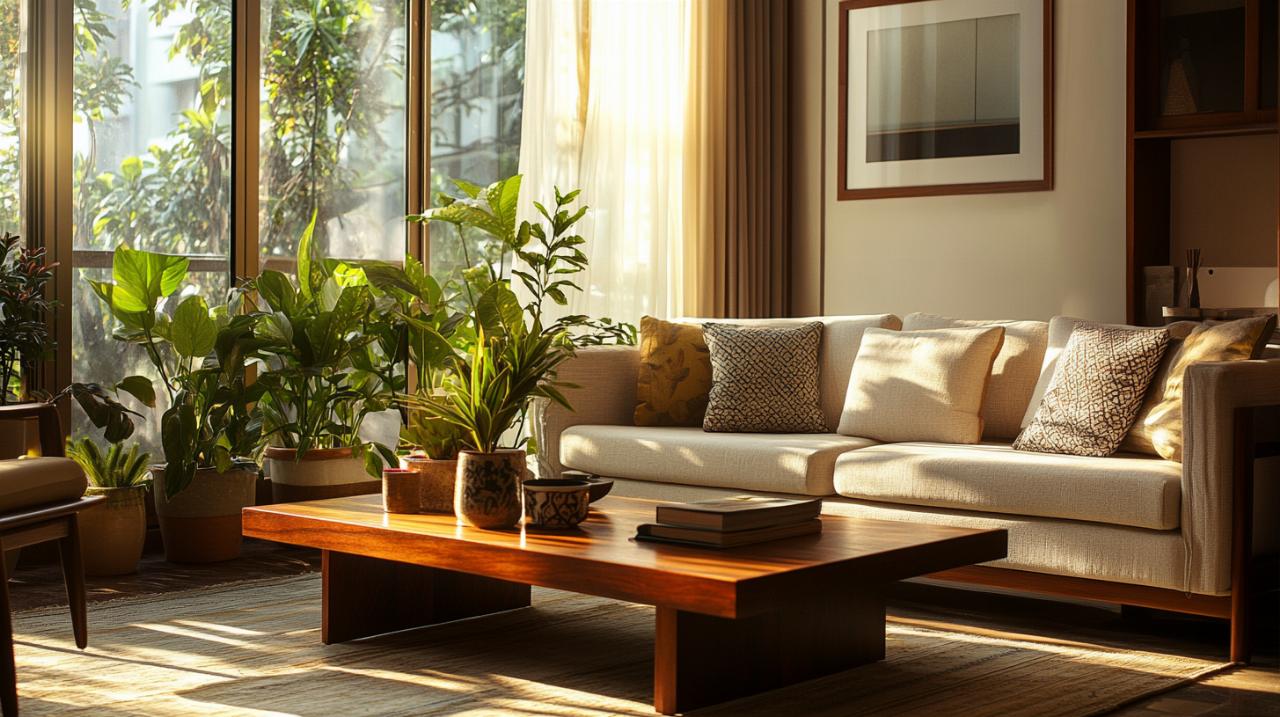
A comprehensive approach to sustainable furniture involves considering the entire lifecycle of each piece, from production to disposal. Planning for the end of life of furniture ensures that materials can be recycled, repurposed, or disposed of responsibly, minimising environmental impact. This forward-thinking approach is central to circular design principles, which aim to keep materials in use for as long as possible and reduce waste.
Planning for Disposal and Recycling from the Start
When selecting furniture, consider how easy it will be to disassemble and recycle at the end of its useful life. Furniture made from a single material or with easily separable components is more likely to be successfully recycled. Some manufacturers offer take-back programmes, accepting old furniture for refurbishment or recycling when customers purchase new items. Understanding local recycling options and facilities can also inform purchasing decisions, as some materials and finishes are more readily recyclable than others. By planning for disposal from the outset, consumers can ensure that their furniture choices do not contribute to landfill waste and that valuable materials are recovered and reused.
The importance of circular design principles
Circular design principles prioritise the creation of products that are durable, repairable, and recyclable, closing the loop in the lifecycle of materials. Furniture designed with these principles in mind is made to be disassembled and its components reused or recycled, rather than discarded. This approach contrasts with the linear model of take, make, and dispose, which dominates much of the furniture industry. By supporting brands that embrace circular design, consumers can contribute to a more sustainable economy where resources are valued and waste is minimised. Circular design also encourages innovation in materials and manufacturing, leading to new solutions that benefit both the environment and consumers.
Selecting timeless designs that endure
Choosing timeless designs is a key strategy for creating a sustainable home. Furniture that transcends trends and remains stylish and functional over many years reduces the temptation to replace items simply because they have gone out of fashion. Timeless designs are characterised by clean lines, neutral colours, and classic forms that can adapt to changing tastes and interior styles.
Classic styles that never go out of fashion
Classic furniture styles, such as mid-century modern, Scandinavian, and traditional pieces, have endured for decades because of their versatility and aesthetic appeal. These designs are often simple yet elegant, making them suitable for a variety of settings and easy to integrate with other furnishings. Neutral colours and natural materials enhance the timeless quality of these pieces, allowing them to blend seamlessly into different decorating schemes. By choosing classic styles, homeowners can create a cohesive and enduring look that does not require frequent updates or replacements.
Balancing Trends with Longevity in Your Choices
While it is natural to be drawn to current design trends, balancing these with considerations of longevity is essential for sustainability. Incorporating trendy elements through accessories, textiles, or paint, rather than through large furniture purchases, allows for flexibility and change without the need to replace major pieces. When investing in significant furniture items, prioritise designs that will remain relevant and appealing over time. This approach not only supports sustainability but also ensures that the home remains a comfortable and stylish space for years to come.
Decoding sustainability certifications
Sustainability certifications provide valuable assurance that furniture meets recognised environmental and social standards. Understanding these certifications helps consumers to identify genuinely sustainable products and avoid greenwashing, where brands make misleading claims about their environmental credentials.
The Significance of FSC and Greenguard Labels
The Forest Stewardship Council certification is a globally recognised standard for responsibly managed forests. Furniture bearing the FSC label is made from wood that has been harvested in a way that maintains the forest's biodiversity, productivity, and ecological processes. Greenguard certification, on the other hand, focuses on indoor air quality, verifying that products have low chemical emissions and contribute to healthier living environments. Other certifications, such as OEKO-TEX for textiles, ensure that fabrics are free from harmful substances. These labels provide a reliable way for consumers to verify the sustainability claims of furniture and make informed purchasing decisions.
How to verify genuine environmental claims
In addition to looking for recognised certifications, consumers can verify environmental claims by researching brands and reading independent reviews. Transparent companies will provide detailed information about their materials, production processes, and sustainability initiatives on their websites. Third-party assessments and ratings can also offer insights into a brand's environmental performance. Being sceptical of vague or unsubstantiated claims and seeking out concrete evidence of sustainability practices helps to ensure that purchasing decisions support genuinely responsible brands.
Supporting local artisans and reducing your carbon footprint
Supporting local artisans and businesses is a powerful way to promote sustainability and reduce the carbon footprint associated with furniture purchases. Locally made furniture requires less transportation, reducing emissions and supporting the local economy. Artisan craftsmanship often emphasises quality, durability, and traditional techniques, resulting in unique pieces that add character to the home.
The environmental advantages of buying local
Buying locally sourced materials and furniture significantly reduces transportation emissions, which are a major contributor to the carbon footprint of consumer goods. Local production also tends to involve smaller-scale, more environmentally friendly manufacturing processes compared to mass production in distant factories. Supporting local businesses strengthens the community and fosters a more resilient and sustainable economy. Additionally, purchasing locally often allows for direct communication with makers, providing opportunities to ask questions about materials and methods and to customise pieces to specific needs.
Discovering skilled craftspeople in your community
Finding skilled craftspeople in the community can be an enriching experience, offering access to bespoke furniture that reflects personal style and values. Local markets, craft fairs, and online platforms dedicated to artisan products are excellent places to discover talented makers. Building relationships with local craftspeople not only supports their livelihoods but also ensures that furniture is made with care and attention to detail. Commissioning custom pieces allows for greater control over materials, design, and sustainability, resulting in furniture that is truly unique and aligned with environmental and ethical principles.