
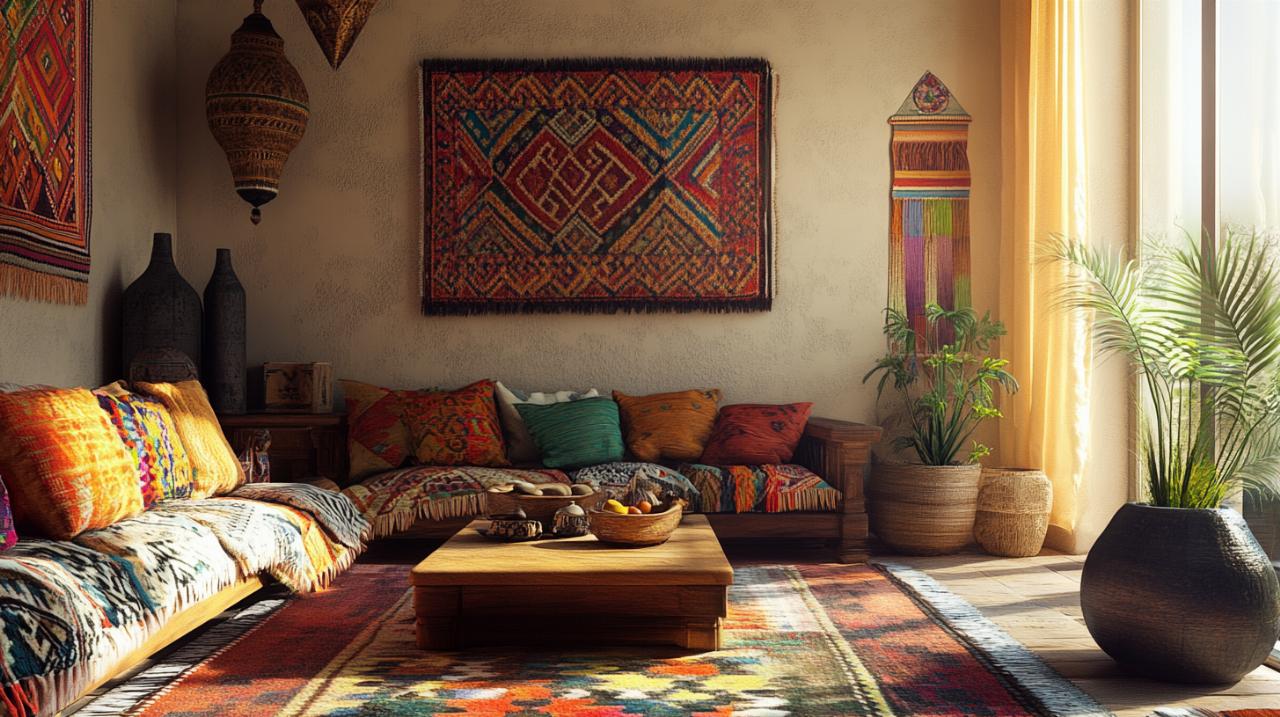
Infusing your home with the character and essence of local culture traditions offers a unique way to create a living space that feels both personal and rooted in a genuine sense of place. Rather than following generic trends or relying solely on mass-produced decor, homeowners across the United Kingdom are increasingly turning towards regional craftsmanship, heritage textiles, and artisan-made pieces to bring warmth and authenticity into their interiors. This approach not only celebrates the rich tapestry of British identity but also supports local businesses and skilled makers who keep traditional techniques alive.
Celebrating british heritage through artisan crafts
British craftsmanship has long been admired for its quality, attention to detail, and connection to centuries-old traditions. When you explore the local culture traditions woven into pottery, ceramics, and folk art, you discover a wealth of opportunities to enrich your home with items that carry history and meaning. Incorporating such pieces into your living spaces transforms them from mere functional areas into reflections of the landscape, customs, and stories that define the regions around you.
Discovering Traditional Pottery and Ceramics for Your Living Spaces
Pottery and ceramics represent some of the most accessible and versatile forms of traditional craft available to those seeking to incorporate local culture into their home decor. Across the United Kingdom, numerous workshops and studios continue to produce handmade pieces using techniques passed down through generations. These items range from functional kitchenware such as mugs, bowls, and serving dishes to decorative sculptures and vases that serve as focal points in a room. The beauty of these ceramics lies not only in their aesthetic appeal but also in their individuality, as each piece bears the subtle marks of the artisan's hand.
When selecting pottery for your home, consider the regional styles that resonate with your personal tastes or family heritage. Staffordshire earthenware, for example, carries a distinct character shaped by the area's industrial pottery history, while Scottish stoneware often features robust forms and earthy glazes inspired by the rugged landscapes of the Highlands. Placing a handmade ceramic vase on a mantelpiece or displaying a collection of artisan bowls on open shelving introduces texture and colour into your interior design while honouring the skills and traditions of local makers.
Beyond their visual appeal, these pieces contribute to a home's atmosphere by adding a layer of authenticity that mass-produced items simply cannot replicate. The slight variations in glaze, the organic shapes, and the tactile quality of handmade ceramics create a sense of warmth and connection. Integrating such objects into your decor also encourages mindful consumption, as investing in well-crafted, durable pieces supports sustainable practices and reduces reliance on disposable furnishings.
Showcasing regional artwork and folk art collections
Regional artwork and folk art offer another powerful means of celebrating British heritage within your home. These forms of expression capture the spirit of specific places, communities, and traditions, often reflecting rural life, seasonal festivals, or historical events. From intricate embroidery samplers and hand-painted signs to contemporary prints inspired by traditional motifs, folk art brings a sense of narrative and identity into your interior spaces.
Displaying such artwork need not require elaborate gallery walls or museum-style curation. A single framed piece depicting a local landmark or a traditional craft scene can serve as a conversation starter and anchor for a room's design. Alternatively, grouping smaller works together creates visual interest and allows you to tell a broader story about the culture and landscape that inspire you. Consider supporting local artists and galleries when sourcing these pieces, as this not only enriches your home but also strengthens the creative economy within your community.
Folk art collections can also extend beyond wall hangings to include three-dimensional objects such as carved wooden figures, painted furniture, or textile-based decorations. These items add personality and charm to interiors, breaking up the monotony of modern minimalism with their playful, handcrafted qualities. By thoughtfully integrating such elements, you create a home that feels lived-in, personal, and deeply connected to the heritage and traditions of the region you inhabit.
Embracing Regional Textiles and Patterns in Interior Design
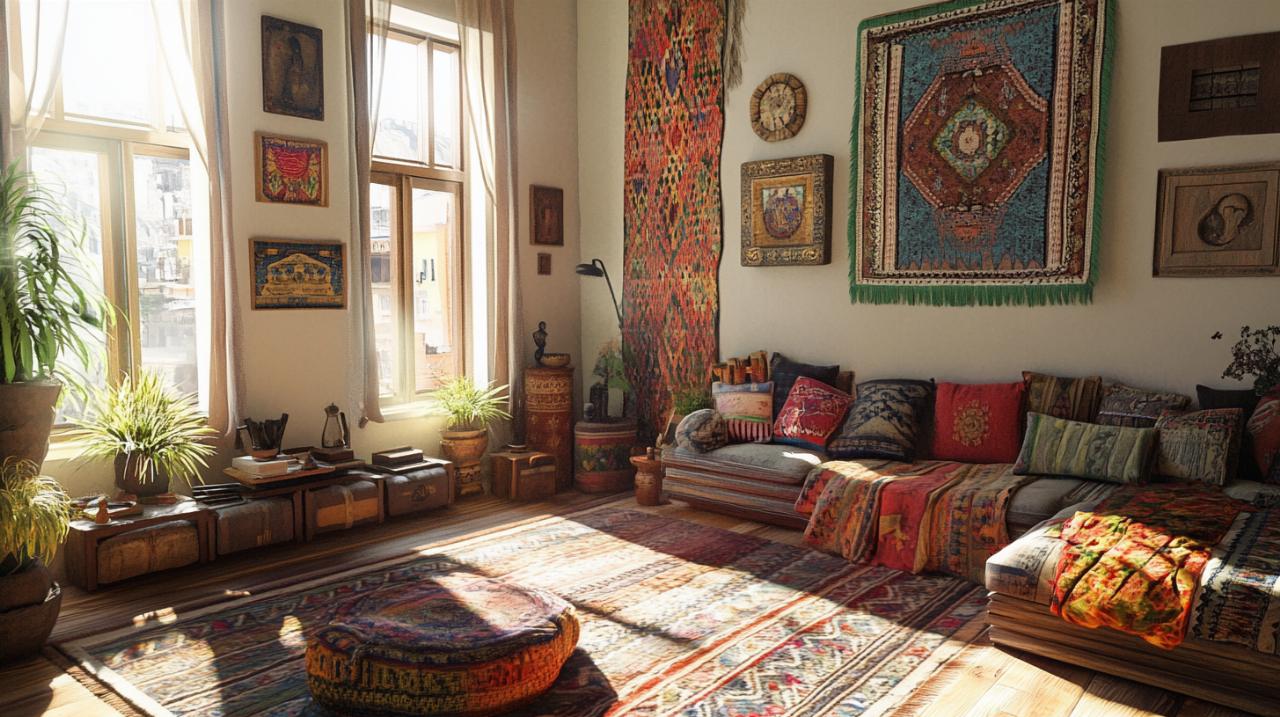
Textiles have always played a central role in British interior design, from the grand tapestries of stately homes to the humble woollen blankets found in cottages across the countryside. By embracing regional fabrics and patterns, you can introduce both comfort and cultural significance into your home. The use of heritage textiles not only enhances the visual appeal of a space but also provides a tactile experience that invites relaxation and a sense of belonging.
Incorporating tartan, tweed, and heritage fabrics throughout your home
Tartan and tweed stand among the most iconic of British textiles, each carrying a distinct history and character. Tartan, with its bold checks and rich colours, evokes the traditions of Scotland and the clan system that once defined Highland society. Meanwhile, tweed, particularly that woven in regions such as the Hebrides and Yorkshire, offers a more subdued yet equally evocative aesthetic, with its flecked, earthy tones and robust texture.
Integrating these fabrics into your home can be achieved in numerous ways, from upholstering furniture in tartan to draping tweed throws over armchairs or beds. Cushions covered in heritage fabrics add instant warmth and interest to sofas and window seats, while tartan curtains can frame views of the British countryside with a nod to tradition. The key is to balance these bold patterns with more neutral elements, allowing the textiles to stand out without overwhelming the overall design.
Beyond tartan and tweed, other regional textiles such as Welsh wool, Irish linen, and English chintz offer further opportunities to celebrate local craftsmanship. Welsh wool, known for its durability and vibrant patterns, works beautifully as upholstery or as accent pieces such as rugs and wall hangings. Irish linen, prized for its crispness and natural sheen, lends an air of understated elegance to bedding, table linens, and window treatments. By choosing these heritage fabrics, you support traditional weaving industries and bring a sense of authenticity and continuity into your home.
Selecting locally inspired colour palettes for authentic ambience
The colours that define British landscapes, from the misty greens of rolling hills to the stormy greys of coastal skies, provide endless inspiration for interior design. By selecting locally inspired colour palettes, you create a home that feels harmonious with its surroundings and reflective of the natural beauty that characterises the United Kingdom. This approach to colour goes beyond mere aesthetics, fostering a deeper connection between your living space and the environment outside your windows.
Earthy tones such as moss green, heather purple, and warm browns evoke the countryside and work particularly well in living rooms, studies, and bedrooms. These shades create a calming, grounded atmosphere that invites relaxation and contemplation. Pairing them with natural materials such as wood, stone, and wool enhances the sense of authenticity and brings the textures of the landscape indoors. For coastal homes, a palette of soft blues, sandy neutrals, and crisp whites captures the light and airy quality of seaside living, while still honouring the rugged character of British shores.
Incorporating these colours into your decor need not mean painting every wall in deep forest green or slate grey. Instead, consider using them as accents through cushions, rugs, artwork, and home accessories. A throw in heather tones or a set of ceramics in muted blues can subtly introduce these locally inspired hues without dominating the space. The goal is to create a cohesive and authentic ambience that reflects both your personal taste and the cultural heritage of the region you call home.
By thoughtfully incorporating artisan crafts, regional artwork, heritage textiles, and locally inspired colour palettes, you transform your home into a space that celebrates the richness of British culture and tradition. This approach to interior design goes beyond surface-level decoration, offering a meaningful way to connect with the history, craftsmanship, and natural beauty that define the United Kingdom. Supporting local artisans and embracing regional styles ensures that your home is not only beautiful and inviting but also a testament to the enduring value of cultural heritage and authentic, personalised living.