
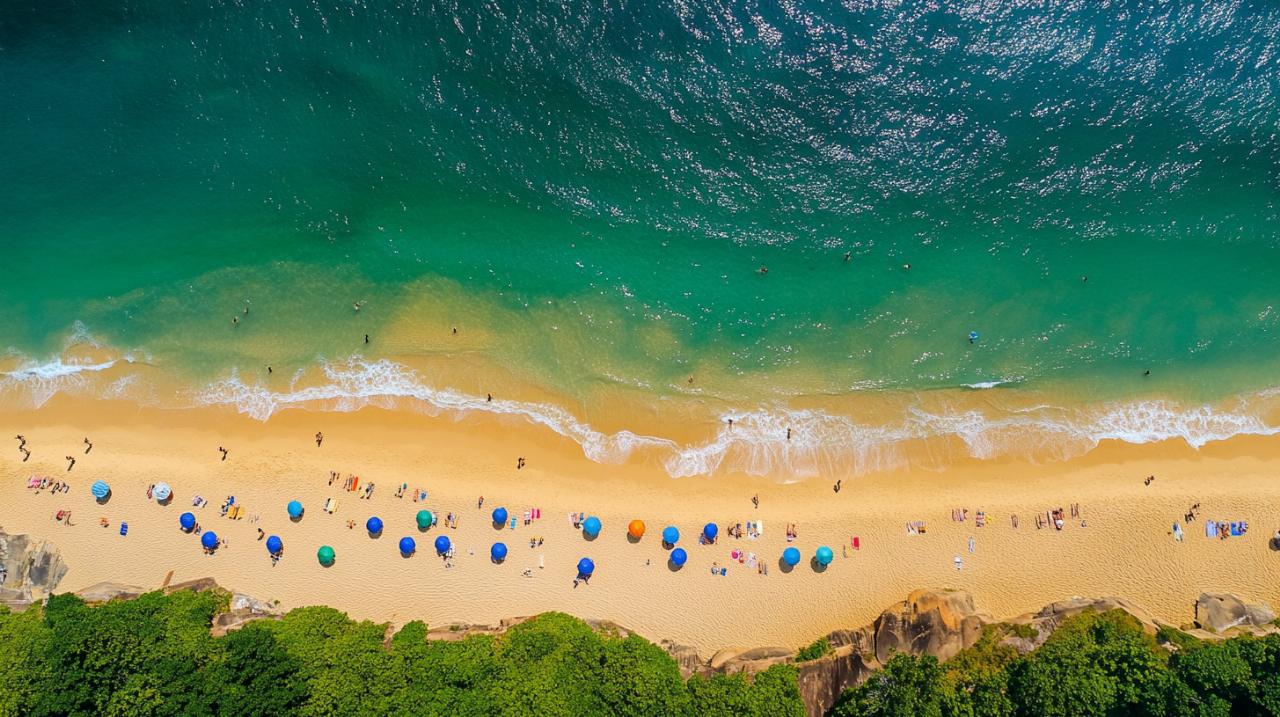
Brazil has long been celebrated for its stunning coastlines, where golden sands meet turquoise waters beneath a tropical sun. Yet beyond the bustling shores of Copacabana and Ipanema lies a quieter, more liberating experience for those who embrace naturism. Whether you're a seasoned naturist or simply curious about shedding the layers and enjoying the ocean in your natural state, Brazil offers a fascinating mix of official and unofficial clothing-optional beaches. From the vibrant energy of Rio de Janeiro to the serene stretches of Santa Catarina, understanding the nuances of these destinations can transform your visit into an unforgettable adventure.
Understanding Nudism in Brazil: The Basics for First-Timers
Stepping onto a nudist beach for the first time can feel daunting, especially if you're unfamiliar with the etiquette and atmosphere. In Brazil, naturism has carved out a niche within the broader beach culture, attracting both locals and international visitors who seek a sense of freedom and connection with nature. The concept is straightforward: leave behind the constraints of clothing and embrace the environment as it is. For many, it's not about exhibitionism but rather a philosophy centred on body positivity, respect, and a return to simplicity. If you're considering a visit, it's worth reflecting on your own comfort level and what you hope to experience. Some beaches are lively and social, while others offer solitude and tranquillity.
What Makes a Beach Official Versus Unofficial for Naturists
The distinction between official and unofficial nudist beaches in Brazil is an important one. An official beach has been formally recognised by local authorities or naturist organisations, meaning nudity is permitted and often expected within designated zones. These spots typically have clear boundaries, and visitors can feel confident that they won't face legal issues or public disapproval. Official beaches may also offer basic amenities such as parking, toilets, or small cafes, though the level of infrastructure varies. On the other hand, unofficial beaches operate in a grey area. These are locations where nudity is tolerated or has become customary over time, even without formal approval. They tend to be more secluded and may require a bit of effort to reach, whether by a rough trail or a short boat ride. The appeal lies in their raw, unspoilt character, but visitors should be mindful that the lack of official status can sometimes mean less predictability in terms of who else might be present or how locals might react.
The cultural landscape of naturism across brazilian states
Brazil's approach to naturism varies significantly across its states. In regions like Santa Catarina, nudist beaches have gained a foothold, supported by a combination of local acceptance and international tourism. The southern coast, in particular, has become a magnet for naturists from Europe, Australia, and beyond, drawn by warm waters and welcoming communities. Meanwhile, in the northeast and around Rio de Janeiro, the scene is more mixed, with pockets of clothing-optional areas coexisting alongside conventional beach culture. The Brazilian naturist movement emphasises harmony with the environment, and many beaches attract those who view shedding clothes as a way to reconnect with the natural world. This philosophy resonates with visitors who seek more than just a tan, finding instead a space where societal norms can be set aside in favour of authenticity and relaxation.
Spotlight on Rio de Janeiro: Where to Find Clothing-Optional Shores
Rio de Janeiro is synonymous with beach culture, yet its nudist offerings are surprisingly understated. The city's most famous stretches, like Copacabana and Ipanema, cater to a mainstream audience, but venture a little further, and you'll discover a different side of Rio's coastline. The naturist scene here is intimate, often hidden away in coves or requiring a bit of local knowledge to access. For those willing to explore, these beaches provide a refreshing contrast to the crowded sands elsewhere in the city.
Abricó beach: rio's premier official naturist destination
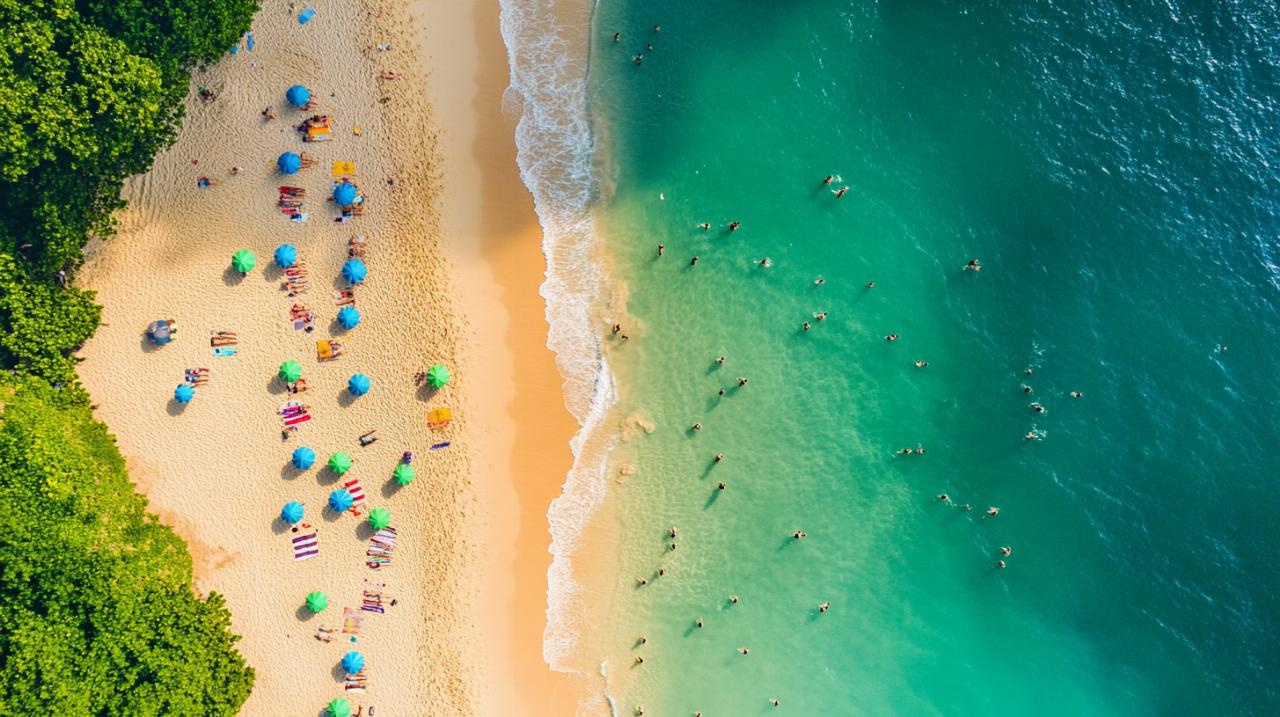
Abricó Beach stands out as the most prominent official nudist beach in Rio de Janeiro. Stretching approximately eight hundred meters, this expansive shore is divided into sections, with around two hundred and fifty meters designated for naturist use. The rest of the beach remains accessible to clothed visitors, creating a harmonious coexistence between different beach cultures. Abricó is notable for its inclusive atmosphere. Single men are welcome, which is not always the case at naturist beaches around the world. This policy reflects a broader acceptance and helps foster a relaxed environment where individuals and groups alike can enjoy the sun and surf without judgment. The beach itself is framed by lush vegetation and offers gentle waves suitable for swimming. While amenities are limited, the natural beauty and sense of community more than compensate for the lack of commercial facilities.
Lesser-known spots around rio for naturist enthusiasts
Beyond Abricó, Rio has a handful of lesser-known spots that appeal to naturists seeking something quieter. Olho-de-Boi, located in the upscale resort area of Búzios, is one such gem. Reaching this beach involves a challenging twenty-minute hike along a rugged path from Praia Brava, but the effort is rewarded with clear, tranquil waters where you can spot fish darting beneath the surface. The seclusion here is nearly absolute, offering a sense of escape that's hard to find in busier areas. The beach is small and surrounded by dramatic rock formations, creating a natural amphitheatre that enhances the feeling of privacy. Visitors often describe Olho-de-Boi as one of the most serene clothing-optional spots in the country, where the focus is entirely on the experience of nature rather than the social scene.
Santa catarina's hidden gems: exploring southern brazil's naturist scene
Santa Catarina, in southern Brazil, has emerged as a heartland for naturism. The state's coastline is dotted with beaches that range from officially sanctioned nudist havens to wild, unofficial stretches where clothing is optional but not required. The region's popularity among naturists is partly due to its natural beauty, with lush forests, dramatic cliffs, and warm, inviting waters. It's also a reflection of a more progressive local attitude towards body freedom and environmental stewardship. Many visitors from Europe, particularly Germany, as well as Australia and France, make the journey to Santa Catarina each year, drawn by the combination of stunning scenery and a welcoming naturist culture.
Praia do pinho: brazil's first recognised naturist beach
Praia do Pinho holds a special place in Brazilian naturism as the country's first officially recognised nudist beach. Gaining its status in 1988, this beach near Balneário Camboriú set a precedent for other clothing-optional shores across the nation. Spanning roughly five hundred meters, Praia do Pinho is known for its strong waves, which attract confident swimmers and surfers. The beach is located about eighty kilometres from Florianópolis, making it accessible yet pleasantly removed from the main tourist hubs. Nudity here is mandatory, a policy that helps maintain a consistent atmosphere and ensures that all visitors share the same expectations. The beach is family-friendly, with facilities that include parking and basic amenities, though the focus remains on the natural environment. Praia do Pinho exemplifies the philosophy that naturism is not just about being nude, but about embracing a lifestyle that values simplicity, respect, and a deep connection with the surroundings.
Unofficial clothing-optional spots along santa catarina's coastline
While Praia do Pinho is the most famous, Santa Catarina boasts several other beaches where naturism thrives, both officially and unofficially. Praia da Galheta, just outside Florianópolis, is a prime example of an unofficial spot that has become synonymous with clothing-optional culture. This nine-hundred-and-fifty-meter beach is accessible only by a scenic trail from Lagoa da Conceição, adding to its secluded charm. Nudity is optional here, meaning you'll encounter a mix of naturists and clothed beachgoers, which can make it an ideal starting point for beginners who aren't yet ready to commit fully. The lack of commercial facilities preserves the beach's pristine character, though it also means visitors should come prepared with their own supplies. Another notable destination is Praia de Pedras Altas in Palhoça, which offers a more structured experience. Access involves heading thirty kilometres south of Florianópolis on the BR 101 highway, then following a small trail from Enseada do Brito. This beach is divided into naturist and non-naturist sections, with the former requiring nudity and offering camping and parking facilities. The calm seas here are perfect for swimming and various water sports, making it a versatile choice for those who want both relaxation and activity. The naturist area at Pedras Altas is seen as a sanctuary for those who view being in their natural state as a way to truly connect with the environment, and the beach's reputation has spread internationally, attracting visitors from as far as Germany, Australia, and France.